Cardio Slim Tea Review (2026): Does It Work
Disclosure: This article contains affiliate links. If you purchase through them, we may earn a commission at no extra cost to you. Our editorial assessments are not influenced by these relationships — we cover both strengths and limitations of every product we review.
Cardio Slim Tea Review (2026): Does It Work
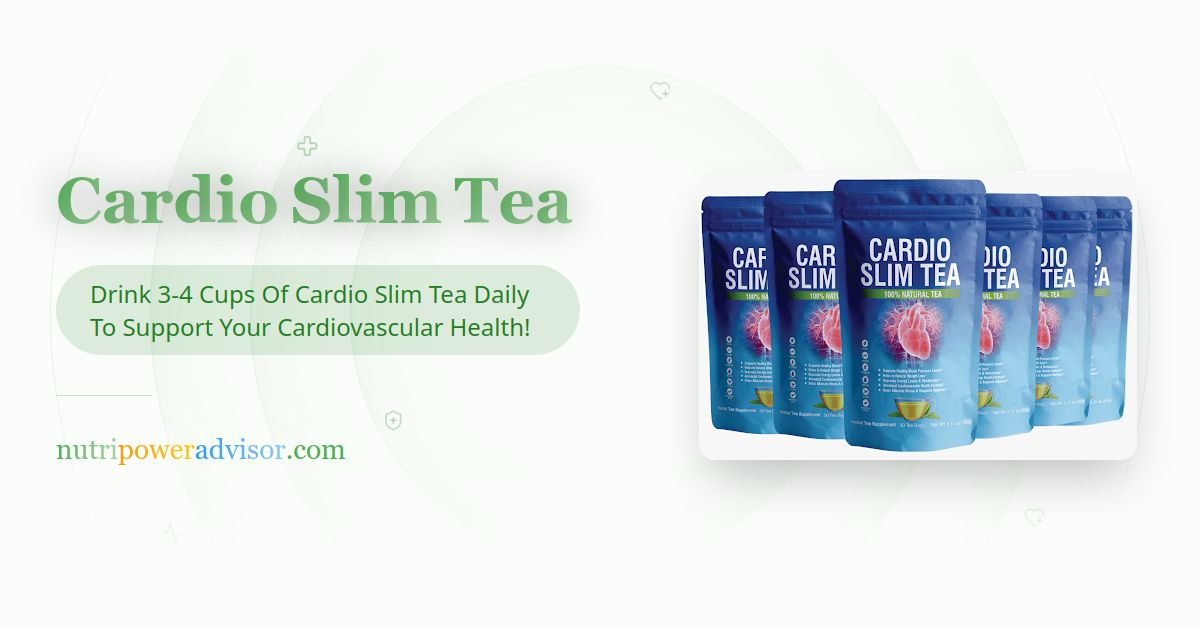
Cardio Slim Tea is a 15-ingredient herbal tea blend marketed for blood pressure support and weight management. This review examines what the peer-reviewed evidence actually says about the ingredients — and where the marketing overstates the science.
⚠️ Important health notice: Cardio Slim Tea is marketed specifically toward people with high blood pressure and heart health concerns. This places it squarely in YMYL (Your Money or Your Life) territory. Nothing in this review constitutes medical advice. If you have diagnosed hypertension, heart disease, or take cardiovascular medications, please discuss any supplement with your physician before starting — some ingredients in this formula have meaningful interactions with antihypertensive drugs.
Quick Verdict
Cardio Slim Tea is a 15-ingredient herbal tea blend that positions itself at the intersection of cardiovascular health and weight management — a dual-action claim that is ambitious but not entirely without scientific basis. Its two headline ingredients, hibiscus and beetroot, are backed by multiple systematic reviews and meta-analyses for blood pressure support. The supporting ingredients — hawthorn berry, green tea, ginger, dandelion — all have plausible mechanisms and reasonable safety profiles.
Where the product loses credibility is in its marketing copy, which makes specific numeric claims ("drops blood pressure by 14 points," "blood pressure from 180/120 to 120/80 in 72 hours") that dramatically overstate what any herbal tea can reliably produce in a general population. These claims also raise legitimate safety concerns when they imply the tea can replace medical management of serious hypertension.
The tea itself is a more honest product than its marketing suggests.
Rating: 3.6 / 5
| Factor | Score |
|---|---|
| Core ingredient evidence (hibiscus, beetroot) | ⭐⭐⭐⭐ (4/5) |
| Supporting ingredient quality | ⭐⭐⭐⭐ (4/5) |
| Marketing honesty | ⭐⭐ (2/5) |
| Format advantage (tea vs. capsules) | ⭐⭐⭐⭐ (4/5) |
| Value for money | ⭐⭐⭐ (3/5) |
| Refund policy | ⭐⭐⭐⭐ (4/5) |
| Safety for medicated users | ⚠️ Requires physician discussion |
→ Check current Cardio Slim Tea pricing and availability
Table of Contents
- What Is Cardio Slim Tea?
- The Homocysteine Angle: Clever Marketing or Real Science?
- Ingredients: What the Research Actually Shows
- The Marketing Claims vs. What the Meta-Analyses Say
- Real User Feedback Patterns
- Who Should and Shouldn't Use Cardio Slim Tea
- Pricing, Guarantee, and Where to Buy
- Cardio Slim Tea vs. Simply Drinking Hibiscus Tea
- Honest Verdict
- Frequently Asked Questions
What Is Cardio Slim Tea?
Cardio Slim Tea is a daily herbal tea blend sold in tea bag format, manufactured in the USA in FDA-registered, GMP-certified facilities. It contains 15 plant-based ingredients and is marketed toward adults concerned about blood pressure, cardiovascular health, and stubborn belly fat — simultaneously.
The format is the first thing worth noting: this is a tea, not a capsule. That distinction matters more than it sounds. Research published in Nutrition has suggested that bioactive plant compounds consumed as a brewed beverage may have superior absorption kinetics compared to the same compounds in encapsulated form, due to the interaction with saliva and the digestive process in liquid form. Whether the difference is clinically meaningful at the doses in a tea bag is debatable, but the delivery method is not simply marketing — there is a reasonable scientific argument for it.
The product is caffeine-free (using decaffeinated green tea), non-GMO, and designed for 1–2 cups daily. A 60-day money-back guarantee is offered on purchases through the official channel.
The Homocysteine Angle: Clever Marketing or Real Science?
Cardio Slim Tea's central marketing hook is homocysteine — the idea that elevated levels of this amino acid in the blood damage arteries, raise blood pressure, and trigger fat storage, and that the tea's ingredients "flush" homocysteine from the system.
Let's separate the real from the overreach here.
What is true: Elevated plasma homocysteine (hyperhomocysteinemia) is a genuine, independently validated cardiovascular risk marker. A large body of evidence — including a 2002 meta-analysis in Lancet spanning over one million adults — associates elevated homocysteine with increased risk of cardiovascular events. This is not fringe science.
What is overstated: The claim that homocysteine is the primary hidden cause of high blood pressure and belly fat in most people is a significant stretch. Homocysteine is one of many cardiovascular risk factors, and the majority of hypertension cases are driven by genetics, sodium intake, body weight, physical inactivity, and aging — not primarily by homocysteine levels. The idea that "flushing" homocysteine will produce dramatic, rapid results for most users is not supported by the evidence.
What the ingredients actually do about homocysteine: Beetroot's betaine content does have documented effects on homocysteine metabolism — betaine donates methyl groups that convert homocysteine into methionine, reducing circulating levels. This is a real mechanism. But the magnitude of effect in a tea bag's worth of beetroot powder is unlikely to match what clinical studies use (typically 500 mg to 6 g of betaine daily).
Bottom line on the homocysteine framing: It's a real pathway, selectively highlighted to tell a compelling story. The ingredient mechanisms are plausible; the dramatic claims built on top of them are not.
Ingredients: What the Research Actually Shows
⭐ Hibiscus Flowers (Hibiscus sabdariffa)
The strongest ingredient in the formula with the most robust evidence base. Hibiscus contains anthocyanins, flavonoids, and organic acids that produce measurable vasodilatory and antioxidant effects.
A 2022 systematic review and meta-analysis published in Nutrition Reviews, covering 17 randomized controlled trials, found that hibiscus supplementation reduced systolic blood pressure by a mean of 7.10 mmHg compared to placebo. A 2025 updated dose-response meta-analysis in ScienceDirect, drawing on 26 RCTs with 1,797 participants, confirmed dose-dependent reductions in both systolic and diastolic blood pressure. Hibiscus also demonstrated meaningful reductions in LDL cholesterol and fasting blood glucose across studies.
Importantly, effects were strongest in individuals with elevated blood pressure at baseline and in trials lasting more than four weeks — meaning the tea needs to be used consistently to show meaningful results. The same research found hibiscus produced BP reductions not statistically different from some pharmaceutical antihypertensive agents in certain comparisons, though with more variability.
This is the real deal. The evidence for hibiscus and blood pressure is among the strongest in the botanical supplement space.
⭐ Beetroot Powder (Beta vulgaris)
Beetroot is rich in inorganic nitrates, which the body converts to nitric oxide — a signaling molecule that relaxes smooth muscle in blood vessel walls, producing vasodilation and reducing blood pressure. Beetroot also contains betaine, which influences homocysteine metabolism (as noted above).
A meta-analysis published in Advances in Nutrition, covering 43 randomized controlled trials, found beetroot juice supplementation was associated with reductions in systolic blood pressure of a mean 3.55 mmHg and diastolic blood pressure of 1.32 mmHg versus placebo. Effects were larger in studies using higher doses and durations greater than 14 days.
Important caveat: These studies primarily used beetroot juice at doses of 250–500 ml per day — substantially higher amounts than a tea bag of beetroot powder delivers. The powder-to-juice conversion, and the extraction efficiency of brief tea steeping, means the active nitrate content in a Cardio Slim Tea cup is likely a fraction of what clinical trials used. Real benefits are plausible; the magnitude will be smaller than clinical studies suggest.
Hawthorn Berries (Crataegus monogyna)
Hawthorn has one of the longer histories of traditional use for cardiovascular support in European herbal medicine, and the modern research is supportive. Active compounds (oligomeric proanthocyanidins and vitexin) improve coronary blood flow, reduce peripheral vascular resistance, and have positive inotropic effects on the heart muscle. A Cochrane review found hawthorn extract beneficial for patients with chronic heart failure, improving exercise tolerance and reducing symptoms. For general cardiovascular wellness in non-diagnosed individuals, the evidence is more limited but mechanistically sound.
Decaffeinated Green Tea (EGCG)
Green tea's catechins — particularly EGCG — have well-documented antioxidant and vascular protective effects. A meta-analysis in PMC found regular green tea consumption associated with modest but statistically significant reductions in blood pressure (approximately 2.1 mmHg systolic) and meaningful improvements in endothelial function. The decaffeinated form avoids the blood pressure-elevating effect of caffeine, making it appropriate in this formula. EGCG also supports fat oxidation, providing the metabolic angle the product claims.
Oolong Tea
Oolong occupies the spectrum between green and black tea in oxidation level, and shares many of the catechin-based benefits. Research has linked regular oolong consumption to reduced cardiovascular risk and modest improvements in cholesterol profiles. It also contains compounds studied for mild thermogenic (calorie-burning) effects, supporting the weight management dimension of the product.
Ginger Root (Zingiber officinale)
Ginger's anti-inflammatory and digestive benefits are well established. A meta-analysis in Phytotherapy Research found ginger supplementation produced statistically significant reductions in blood pressure in hypertensive patients. It also contributes meaningfully to the tea's palatability — ginger makes the formula taste good, which matters for consistent daily use.
Dandelion Leaf (Taraxacum officinale)
Dandelion acts as a natural diuretic, promoting the excretion of excess sodium and water — one mechanism through which blood pressure can be temporarily reduced. It also supports liver function and bile production. The diuretic effect is real and documented, though it is modest and temporary rather than a structural cardiovascular intervention.
Chamomile (Matricaria chamomilla)
Chamomile is included for stress modulation and relaxation support — and this is more strategic than it appears. Chronic psychological stress is a meaningful driver of elevated cortisol, which directly increases blood pressure and promotes central fat storage. A daily calming ritual (warm tea in the morning) with chamomile's documented anxiolytic properties addresses an often-overlooked cardiovascular risk factor.
Lemongrass (Cymbopogon citratus)
Lemongrass has mild diuretic and anti-inflammatory properties and contributes significantly to the tea's flavor profile. Research on blood pressure effects is limited but suggests some benefit through vasodilatory mechanisms.
Remaining Ingredients: Ginseng Root, Curcumin/Turmeric, Cinnamon, Monk Fruit, TMG
These round out the formula with adaptogenic support (ginseng), anti-inflammatory activity (curcumin — though curcumin's bioavailability in a tea is limited without a fat source or piperine), blood sugar regulation (cinnamon), and sweetening without glycemic impact (monk fruit). Trimethylglycine (TMG/betaine) directly supports homocysteine metabolism as discussed above.
The Marketing Claims vs. What the Meta-Analyses Say
Let's run the headline marketing claims against what the science actually shows:
| Marketing Claim | What the Evidence Actually Shows |
|---|---|
| "Drops blood pressure by 14 points" | Hibiscus: ~7 mmHg systolic in meta-analyses. Beetroot: ~3.5 mmHg. Combined plausibly higher — but 14 points for all users is not supported |
| "From 180/120 to 120/80 in 72 hours" | No herbal tea produces this result reliably. A reading of 180/120 is a hypertensive crisis requiring immediate medical attention, not a tea |
| "Slashes heart disease risk by 13%" (ginger) | The 13% figure is not independently verifiable from published ginger meta-analyses |
| "Increases blood vessel dilation by 44%" (beetroot) | A specific claim without a verifiable citation context |
| "Melts belly fat without diet or exercise" | No evidence base exists for any tea producing fat loss independent of caloric deficit |
| "Flushes homocysteine from the bloodstream" | Betaine/TMG does reduce homocysteine; the effect size from tea amounts is unverified |
| Works "even while you sleep" | Herbal compounds are metabolized and excreted; there is no evidence of sustained overnight activity from a morning cup |
The honest summary: The two primary mechanisms — hibiscus and beetroot supporting modest blood pressure reduction through vasodilation — are real. The specific numbers attached to marketing claims are either unverifiable, drawn from studies using much higher doses, or simply fabricated for conversion. The tea can plausibly contribute to cardiovascular wellness as part of a healthy lifestyle. It cannot deliver the acute, dramatic results the sales copy implies.
Real User Feedback Patterns
Based on publicly available reviews across multiple platforms, consistent themes emerge:
Positive patterns:
- Reduced bloating and a feeling of being "lighter" within 1–2 weeks — likely the dandelion and lemongrass diuretic effect, real but temporary
- Improved digestive comfort, particularly noting ginger's contribution
- Genuinely enjoyable taste, which supports compliance — meaningful for any daily wellness ritual
- Some users with pre-hypertension report improved readings over 4–8 weeks of consistent daily use, consistent with the hibiscus evidence
- Energy improvements noted, though the mechanism is unclear given the caffeine-free formula
Negative patterns:
- Slower results than the marketing implies — users expecting rapid, dramatic changes within 72 hours are consistently disappointed
- Premium price point relative to specialty herbal teas available in health food stores containing similar ingredients
- No measurable effect for some users, consistent with the normal distribution of individual responses to botanical interventions
- Mild digestive discomfort during the first few days in some users — likely adjustment to the diuretic and digestive herbs
Complaint worth noting: Some users report confusion between the official product and multiple look-alike sites operating under near-identical names and domains. As with other supplement categories, there are unauthorized versions in circulation. Purchase through the verified official channel to ensure product quality and refund eligibility.
Who Should and Shouldn't Use Cardio Slim Tea
Cardio Slim Tea may make sense if you:
- Have borderline or pre-hypertension (120–139/80–89 mmHg) and want to incorporate evidence-supported botanicals as part of a broader lifestyle approach
- Enjoy a morning tea ritual and want that ritual to provide more than just flavor
- Are already making dietary and lifestyle changes for cardiovascular health and want nutritional support alongside those efforts
- Prefer a food-based, whole-plant approach over encapsulated supplements
- Are caffeine-sensitive and need a stimulant-free option
Cardio Slim Tea is not appropriate as a primary intervention if you:
- Have diagnosed hypertension currently managed with medication — do not adjust or stop medications without physician guidance, and disclose this tea to your prescribing doctor given the additive blood pressure-lowering potential of hibiscus and beetroot
- Are experiencing blood pressure readings above 140/90 mmHg — this requires medical evaluation, not a tea
- Are pregnant or nursing — several ingredients, including hibiscus and hawthorn, are not established as safe in pregnancy
- Take warfarin, ACE inhibitors, diuretics, or other cardiovascular medications — potential interactions exist with several ingredients
- Expect weight loss without dietary changes — the formula has no mechanistic pathway to produce fat loss independent of caloric balance
Pricing, Guarantee, and Where to Buy
Based on publicly available information at time of writing:
| Package | Approx. Price | Notes |
|---|---|---|
| 1 Bottle (30-day supply) | ~$49–$69 | Single trial |
| 3 Bottles | Lower per-unit cost | Best for the recommended 4–8 week trial |
| 6 Bottles | Best per-unit value | Full commitment |
Multi-bottle packages typically include digital bonus guides (dessert recipes, longevity guide).
Guarantee: A 60-day money-back guarantee is offered. Given that the hibiscus evidence shows strongest effects after 4+ weeks of consistent use, a 60-day trial period is appropriately matched to the product's timeline.
Where to buy: Purchase through the official website only. Multiple clone sites and lookalike domains exist for this product. The official domain is trycardioslimtea.com. Verify before entering payment information.
→ Check the latest Cardio Slim Tea offer on the official website
Cardio Slim Tea vs. Simply Drinking Hibiscus Tea
A legitimate question worth addressing: given that hibiscus and beetroot are the primary evidence-based ingredients, could you achieve similar results by simply buying dried hibiscus from a health food store?
| Cardio Slim Tea | DIY Hibiscus Tea | |
|---|---|---|
| Hibiscus content | Included (amount undisclosed) | Controllable — you set the dose |
| Supporting ingredients | 14 additional botanicals | Only what you add |
| Research-matched dose | Uncertain | You can target 2–3g hibiscus/day used in studies |
| Cost | ~$1.50–$2.30 per cup | ~$0.10–$0.30 per cup |
| Convenience | High (pre-blended tea bags) | Moderate (requires sourcing) |
| Taste | Pleasant, balanced blend | Tart, requires adjustment |
| Money-back guarantee | Yes (60 days) | N/A |
Honest take: If pure cost-effectiveness for hibiscus's documented benefits is your goal, sourcing quality dried hibiscus (Hibiscus sabdariffa, standardized) and brewing it at the doses used in research (approximately 2g per cup, 2 cups daily) would deliver the core cardiovascular benefit more cost-effectively. Cardio Slim Tea charges a premium for the blended formula, the supporting ingredients, and the convenience.
The premium is justified if you value the full formula, the palatability of the blend, and the peace of mind of the money-back guarantee. It is not justified if you are primarily seeking the hibiscus effect on a budget.
Honest Verdict
Cardio Slim Tea is a legitimately well-assembled herbal blend with a strong scientific foundation in its two primary ingredients and a supporting cast that makes physiological sense. The tea format is a genuine advantage for bioavailability and compliance. For adults approaching cardiovascular wellness proactively — not those managing diagnosed disease — it represents a pleasant, nutritionally meaningful daily habit.
The problems are entirely in the marketing layer. Claims of 14-point blood pressure drops, homocysteine as a universal explanation for hypertension and belly fat, and results "in 72 hours" are not scientifically defensible. More concerningly, this marketing targets people with serious cardiovascular conditions, which raises the risk that some buyers will use it in place of — rather than alongside — appropriate medical care.
The product deserves a better marketing strategy than it has. The ingredients can speak for themselves without the hyperbole.
Final Rating: 3.6 / 5
- Core ingredient evidence: ✅ Hibiscus and beetroot are among the best-researched botanicals for cardiovascular support
- Supporting formula: ✅ Well-chosen, complementary ingredients
- Dosage transparency: ⚠️ Individual ingredient amounts per tea bag not disclosed
- Marketing honesty: ⚠️ Specific numeric claims significantly overstated
- Format advantage: ✅ Tea delivery has genuine absorption benefits
- Safety for medicated users: ⚠️ Physician discussion required — additive BP-lowering effects are real
→ See the current Cardio Slim Tea pricing and guarantee
Frequently Asked Questions
Can Cardio Slim Tea replace my blood pressure medication? No — and this point deserves emphasis. Cardio Slim Tea is a dietary supplement, not a pharmaceutical. It should never be used as a replacement for prescribed antihypertensive medication. If you are currently on medication and want to incorporate this tea, discuss it with your prescribing physician first — some ingredients (particularly hibiscus and beetroot) have additive blood pressure-lowering effects that may require monitoring and medication adjustment.
How long before Cardio Slim Tea shows results? The hibiscus evidence — the most reliable signal in the formula — shows strongest effects after four or more weeks of consistent daily consumption. Expect 4–8 weeks of regular use before drawing conclusions. Bloating reduction may be noticeable within 1–2 weeks due to the diuretic herbs.
Does Cardio Slim Tea contain caffeine? The formula uses decaffeinated green tea and includes no caffeinated ingredients. It is explicitly caffeine-free, making it appropriate for those sensitive to caffeine or those who want to drink it in the evening.
Is Cardio Slim Tea safe for daily use? For healthy adults without cardiovascular disease or relevant medications, the ingredient profile is generally well-tolerated. Individual sensitivities to diuretic herbs (dandelion, lemongrass) may cause increased urination initially. Those with kidney disease, low blood pressure, or who are pregnant should consult a physician before use.
Is there a homocysteine test I should take before starting? Homocysteine can be measured through a standard blood test ordered by your physician. If cardiovascular risk is a concern, it is a reasonable panel to discuss alongside standard lipid and blood pressure measurements. However, the tea does not require or depend on elevated homocysteine to provide its primary benefits — the hibiscus and beetroot benefits are independent of homocysteine status.
What does Cardio Slim Tea taste like? Based on its ingredient list — hibiscus (tart), ginger (warming), lemongrass (citrusy), chamomile (floral) — the flavor profile is likely a lightly tart, mildly warming herbal blend. Monk fruit is included as a natural sweetener to balance the tartness of hibiscus. Most users describe the taste as pleasant and suitable for daily use without additional sweetening.
Where should I buy Cardio Slim Tea to qualify for the refund guarantee?
Only through the official website (trycardioslimtea.com). Multiple lookalike sites exist and purchases through unauthorized channels will not qualify for the 60-day money-back guarantee.
→ Visit the official Cardio Slim Tea website
This review is for informational and educational purposes only and does not constitute medical advice, diagnosis, or treatment recommendations. Cardio Slim Tea is a dietary supplement and has not been evaluated by the FDA to diagnose, treat, cure, or prevent any disease. Always consult a qualified healthcare professional — particularly if you have hypertension, heart disease, or take prescription medications — before starting any new supplement. Individual results vary.
Tags: cardio slim tea review, cardio slim tea ingredients, does cardio slim tea work, cardio slim tea complaints, cardio slim tea blood pressure, trycardioslimtea, herbal tea for heart health 2026